
Botox for Under-Eye Wrinkles: What You Should Know
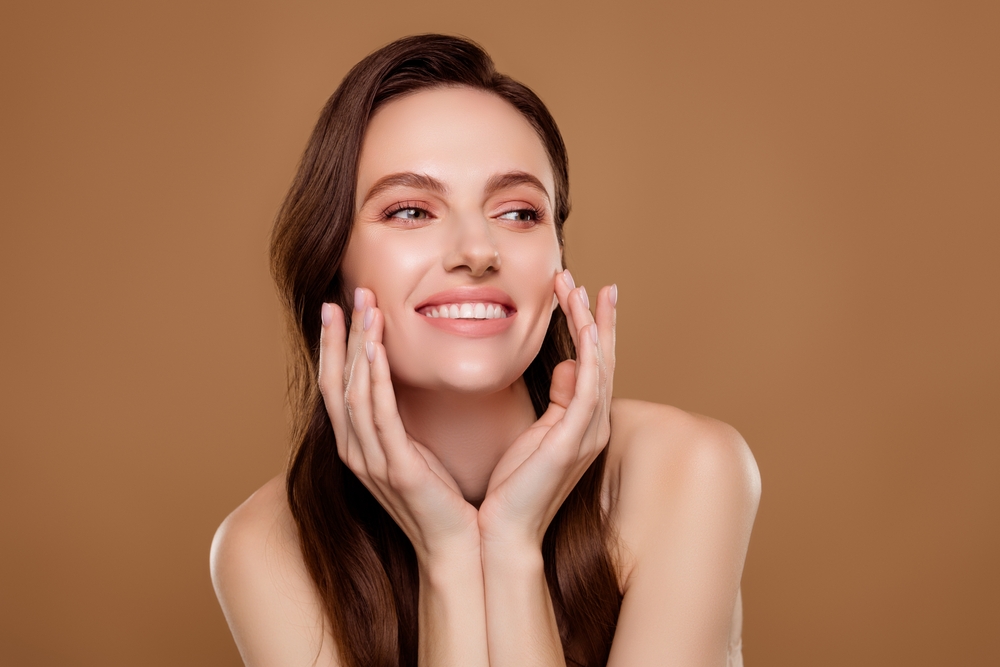
The skin under the eyes is thin and delicate, which is why fine lines can show up earlier in this area. Under-eye wrinkles may become more noticeable from smiling, squinting, sun exposure, dehydration, aging, or natural facial movement. For some people, these lines are mild and only appear with expression. For others, they may remain visible even when the face is relaxed.
Because the under-eye area is so sensitive, treatment should be approached carefully. Botox can be helpful in certain cases, but it is not the right option for every type of under-eye concern.
How Botox Works For Fine Lines
Botox is a neurotoxin treatment that temporarily relaxes specific facial muscles. When used for cosmetic purposes, it can soften the appearance of fine lines and wrinkles caused by repeated muscle movement. This makes it a popular option for areas such as crow’s feet, forehead lines, and frown lines.
For under-eye wrinkles, Botox may be used in very small amounts when the lines are caused by muscle activity near the lower eyelid or outer eye area. The goal is not to freeze the face, but to create a smoother, more refreshed look while keeping your natural expression.
Is Botox Right For Under-Eye Wrinkles?
Botox may be a good option if your under-eye wrinkles are related to expression, especially when smiling or squinting. However, it may not improve concerns caused by skin laxity, puffiness, deep hollows, or dark circles. Those concerns may require a different treatment approach, such as skincare, resurfacing, filler, or other aesthetic services depending on your goals.
A consultation is important because the under-eye area requires precision. Your provider will evaluate your facial anatomy, skin quality, and the way your muscles move before recommending treatment.
Botox for under-eye wrinkles may be considered for patients who want to:
- Soften fine lines around the lower eye area
- Reduce wrinkles that appear with smiling or squinting
- Refresh the eye area without a more invasive procedure
- Maintain natural facial movement
- Pair Botox with other skin-focused treatments when appropriate
What To Expect During Treatment
Botox appointments are typically quick and involve a series of small injections in targeted areas. When treating around the eyes, placement and dosage matter. A conservative approach is often best because the skin and muscles in this area are delicate.
Results do not appear immediately. Most people begin to notice softening within a few days, with full results developing over about 1 to 2 weeks. The effects are temporary, so maintenance treatments may be recommended based on how your body responds and your desired look.
Why A Personalized Consultation Matters
Under-eye wrinkles are not all the same, and treating them should not be one-size-fits-all. Some patients benefit from Botox, while others may see better results from treatments that improve skin texture, firmness, or hydration.
At Clarke Aesthetics, the focus is on safe, effective services customized to your needs and wellness goals. A consultation allows your provider to explain what Botox can and cannot do, review your options, and create a treatment plan that supports a natural-looking result.
To learn more about Botox for under-eye wrinkles, schedule a consultation at Clarke Aesthetics in Wichita Falls, TX by calling (940) 241-7546.
Consult With Us!
Answer the form below and get your treatment started!
Call Us Or Text Us Today
(940) 241-7546(940) 691-5653

- Monday 9:00am - 5:30pm
- Tuesday 8:00am - 5:30pm
- Wednesday 8:00am - 5:30pm
- Thursday 8:00am - 5:30pm
- Friday 8:00am - 4:00pm
- Saturday Closed
- Sunday Closed
Powered by
