
Chemical Peels vs. Dermaplaning in Wichita Falls: Which Exfoliation Is Right for Your Skin Type?
Chemical Peels vs. Dermaplaning in Wichita Falls: Which Exfoliation Is Right for Your Skin Type?
Dullness, uneven texture, and makeup that settles into dry patches can make exfoliation appealing. But choosing between chemical peels and dermaplaning starts with understanding what your skin needs. At Clarke Aesthetics in Wichita Falls, we offer both treatments and help you choose an approach based on your skin’s condition, your goals, and your comfort with downtime.
How Chemical Peels Work
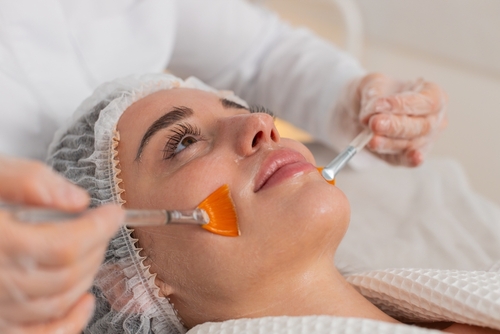
Chemical peels use a professional solution to exfoliate the skin. Depending on the formula and treatment depth, a peel may improve uneven tone, certain types of acne, fine lines, and rough texture.
Our options include The Perfect Derma Peel and BioRePeel. These treatments differ in formulation and expected recovery, so we select a peel based on your individual concerns. Some peels cause visible flaking over several days, while others involve less noticeable peeling. More peeling does not automatically mean better results.
How Dermaplaning Works
Dermaplaning uses a sterile blade to gently remove surface dead skin cells and fine facial hair, often called peach fuzz. It can leave skin feeling smoother and help makeup apply more evenly.
Unlike a chemical peel, dermaplaning physically exfoliates the surface and removes fine hair. It can be a good option when peach fuzz and superficial roughness are your main concerns. It does not address every cause of discoloration or treat active acne.
Matching Exfoliation to Your Skin
During your consultation at our Wichita Falls practice, we look beyond a simple “oily” or “dry” label. Your current skin health matters just as much as your usual skin type.
Oily or acne-prone skin: An appropriately selected chemical peel may help with certain breakouts and congestion. We generally avoid dermaplaning over active, inflamed acne.
Dry or normal skin: Dermaplaning may help with surface buildup and peach fuzz when the skin is healthy. If dryness includes cracking or irritation, we may recommend restoring hydration before exfoliation.
Sensitive or redness-prone skin: Neither option is automatically the gentler choice. We assess sensitivity, current irritation, and conditions such as eczema before recommending treatment.
Uneven tone or dark spots: A chemical peel may be more appropriate for pigment concerns. Skin tone and a history of dark marks after irritation help guide treatment selection because peels can also cause unwanted pigment changes.
What to Expect After Treatment
Dermaplaning generally involves little downtime, although temporary redness or sensitivity can occur. Recovery after a chemical peel depends on the product and treatment depth. We explain the expected healing process so you can plan around work and upcoming events.
After either treatment, gentle skincare and sun protection are important. Follow our instructions about moisturizers, sunscreen, and when to restart retinoids or exfoliating products. Avoid picking at peeling skin or adding extra exfoliation while your skin recovers.
What We Review Before Treatment
Before recommending treatment, we review your skincare routine, medications, previous reactions, and goals. A series of treatments may be appropriate, but timing should allow your skin to recover between visits.
Find an exfoliation treatment that fits your skin’s needs. Contact Clarke Aesthetics in Wichita Falls, TX, at (940) 241-7546 to schedule your personalized consultation.
Consult With Us!
Answer the form below and get your treatment started!
Call Us Or Text Us Today
(940) 241-7546(940) 691-5653

- Monday 9:00am - 5:30pm
- Tuesday 8:00am - 5:30pm
- Wednesday 8:00am - 5:30pm
- Thursday 8:00am - 5:30pm
- Friday 8:00am - 4:00pm
- Saturday Closed
- Sunday Closed
Powered by
